BAAJA would help check data center development and protect communities. The bill would require that data centers pay more than the costs they incur to the electric grid, saving other ratepayers money. It would provide key minimum ratepayer safeguards that go beyond what many states are doing currently. If passed, BAAJA would unlock the transmission lines essential to connect clean energy resources, reducing the off-grid gas buildout that is currently powering the data center boom.
Data centers pay for grid upgrades BAAJA would require that data centers pay for the costs they incur to the electric grid, reducing costs for all other ratepayers.
Ratepayer safeguards and community assistance BAAJA would establish minimum safeguards for ratepayers and require the federal government to provide technical assistance to help local communities and governments properly evaluate data center development.
Prevent gas build-out BAAJA would unlock the transmission lines essential to connect clean energy resources at the scale needed to address the climate crisis and mitigate the data center rush to gas.
Permitting Reform Will Save Americans Money by Reining in Data Centers
Deep Dive
Read time:
Data centers are driving the fastest growth in electricity demand in decades, and right now most of that demand is being met with gas. Some opponents of the Bipartisan American Affordability and Jobs Act (BAAJA) worry that faster permitting will only feed that boom. We see it the other way around.
BAAJA is a hard fought compromise, and it isn’t perfect. But after decades of failed fights over transmission and permitting reform, it finally clears the way for clean energy at scale. And it checks data center development in three key ways that today’s status quo does not:
It opens the grid bottleneck that pushes data centers toward gas. Instead, transmission will be built faster and bring more clean power on the grid, helping avoid the rush to dirty, behind-the-meter gas.
It makes data centers pay their full share, and then some. And the extra money goes to lowering everyone else’s bills.
It keeps families from getting stuck with the billif a data center shuts down or doesn’t get built, and gives communities the tools to evaluate proposals before they say yes.
BAAJA fights a gas boom
Right now, data center developers are creating a demand for power not seen in decades, and today gas is the fastest power to permit. BAAJA changes that math.
The grid is the bottleneck. BAAJA will open it up.
To build a gas pipeline, a developer currently only needs federal approval from the Federal Energy Regulatory Commission (FERC) and federal environmental reviews are already fairly streamlined for pipelines. To build a high-voltage transmission line, they need approval from every state it crosses, and the federal environmental review process currently takes much longer for transmission lines than pipelines. That’s why transmission lines can take up to 17 years to permit, compared to under 3 years for pipelines.
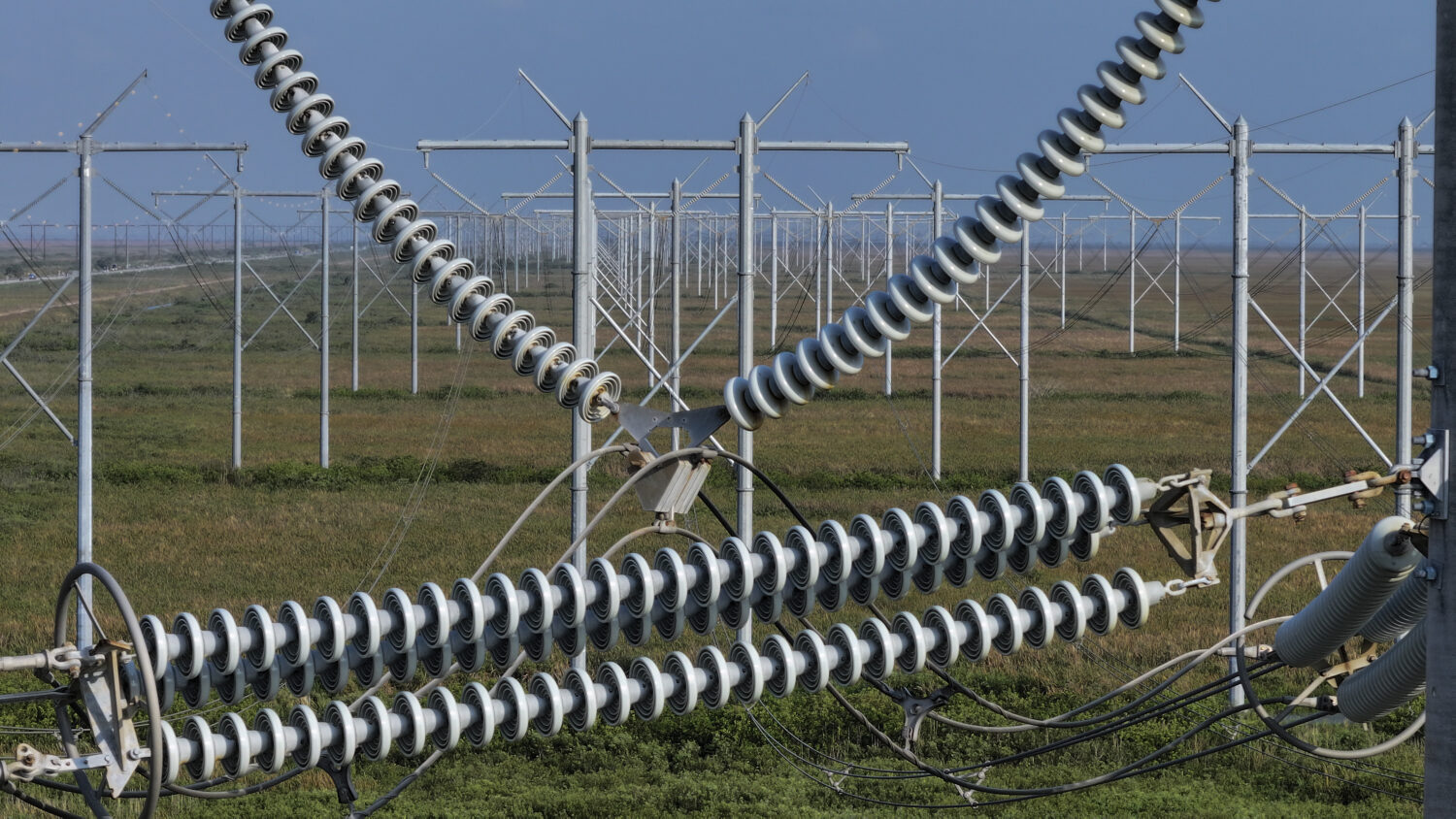
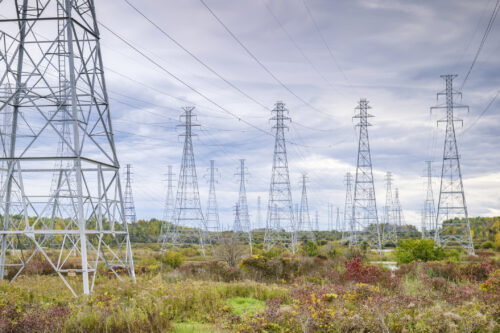
We need roughly 5,000 miles of new high-voltage transmission lines every year to clean up our power grid. In 2024, we only built about 300 miles. Without new lines, wind and solar projects sit in line waiting to connect, while utilities and data centers turn to gas.
BAAJA speeds up permitting for transmission, so more clean energy can reach the grid, for data centers or anyone else wanting to connect.
With abundant clean power on the grid, data center developers won’t have to turn to off-grid gas.
When data centers can’t get power from the grid, many build their own gas plants on site, often called “behind-the-meter” power. Data center developers have proposed about 90 GWs of these plants, most using extremely polluting generators like jet engines that are much worse for both the climate and local air quality, and can even drive up energy costs for everyone else despite being off the grid.
BAAJA doesn’t open federal land to data centers—it makes them less likely
Some worry this bill could open federal land to data centers. That’s a fair concern, but it describes the reality as it exists today. The federal government has approved a data center on federal land in Ohio powered by more than nine GWs of new gas. Current permitting law didn’t stop it. Cheap, plentiful clean electricity is the only long-term solution to prevent projects like this from coming to fruition.
Holding back clean energy won’t hold back data centers—it will just make cutting climate pollution impossible
It’s true that a faster permitting system means more things get built faster—data centers included. But we need huge amounts of new clean energy to power and heat our homes, electrify buildings, clean up factories. Without that, the country cannot cut climate pollution at all.
Slowing down clean energy won’t stop data centers. It will just guarantee they run on gas.
BAAJA makes data centers pay up
BAAJA creates the first nationwide mandate requiring data centers to pay for the costs they put on the grid, and opens other revenue opportunities that would reduce other ratepayers’ bills. It does this in three ways.
Data centers pay the full cost (and more) of grid upgrades needed to serve them, including transmission. Today, large customers like data centers usually only have to pay for one of these categories, not both. BAAJA makes data centers pay both, and requires the extra revenue to directly lower household electric bills. GridStrategies estimates this could transfer $35 billion in wealth over the next 10 years from hyperscalers to American ratepayers.
States can charge data centers more for new power and power lines. BAAJA lets states charge above cost for new generation, storage, and distribution lines built to serve data centers. States can use that money to cut ratepayer bills directly or to build or bolster community energy systems that make the grid more reliable and cheaper.
Utilities can auction unused grid space. BAAJA lets utilities offer spare grid capacity to data centers through a bidding process, raising additional revenue to lower bills even more. And because most grid costs are fixed, utilizing the grid more spreads costs across more customers, which lowers costs for everyone.
BAAJA protects ratepayers and empowers communities
BAAJA sets a national floor of ratepayer protections that goes further than what many states do today.
Strong Safeguards for Ratepayers
BAAJA establishes strong exit fee mandates. If a new power plant or transmission line is built to serve a data center, the data center pays for it—even if it shuts down early or never opens at all—so other ratepayers aren’t left holding the bill.
BAAJA also establishes financial collateral mandates. Data center developers will have to prove they can cover the cost of new infrastructure before it’s built. That helps weed out speculative projects, makes grid planning more accurate, and keeps ratepayers from paying for infrastructure built for demand that never materializes.
Empowers local governments
Communities facing a data center proposal often have to evaluate it with little information and no expert help. BAAJA changes that in two ways:
It requires the Department of Energy (DOE) to create a Data Center Community Assistance Program that provides local, state, and Tribal governments technical assistance, resources, and data needed to properly evaluate proposals.
It requires DOE to publish a Data Center Community Toolkit to help local communities gather and understand a project’s impact on electricity costs, water use, and the local economy, and learn about best practices.
The bottom line: Passing BAAJA will rein in data centers and unlock clean energy
Irresponsible data center development presents a real threat to local communities, family budgets, and the climate. Coupled with robust state policies that mandate clean energy and invest in community energy programs, BAAJA makes clean power faster to build, makes data centers pay their share, and gives communities a real seat at the table. The bottom line is that BAAJA is how we keep the data center boom from becoming a gas boom.