The future of transportation is electric. This isn’t just an opinion; it’s a fact driven by global markets, consumer demand, and reiterated by the leaders of the American auto industry themselves. Yet, instead of embracing this reality and ensuring American workers and communities benefit, the Trump administration is fighting a losing battle. At this very moment, it’s illegally slashing federal electric vehicle (EV) programs and repealing bipartisan federal investments. Beyond violating the Constitution by freezing federal programs already appropriated by Congress, its actions position the U.S. as an anti-EV outlier, effectively ceding the American auto industry market to foreign competitors.
Trump’s anti-EV crusade directly harms the very districts that helped elect him– communities benefiting from massive EV investments and who stand to save the most on fuel costs. It’s no wonder his approach is facing mounting resistance—not only from communities reaping the benefits of these investments but also from members of his own party who recognize the political and economic dangers of opposing EV progress.
Instead of putting America first, Trump’s chaotic anti-EV actions are sabotaging American workers, consumers, and manufacturers. From illegally clawing back federal funds to imposing reckless tariffs, his administration is throwing roadblocks in the way of global leadership and costing Americans money. Trump’s actions are adding up to a mounting crisis for American industry, drivers, and our communities in five core ways.
This sweeping and unprecedented funding freeze threatens to delay or halt projects developers had planned under NEVI, creating uncertainty that weakens U.S. competitiveness in the EV market and strips away the economic benefits for workers and drivers. Even more, undoing the federal government’s EV progress could cost taxpayers $1 billion– despite the administration claiming it as a “cost-cutting” measure.
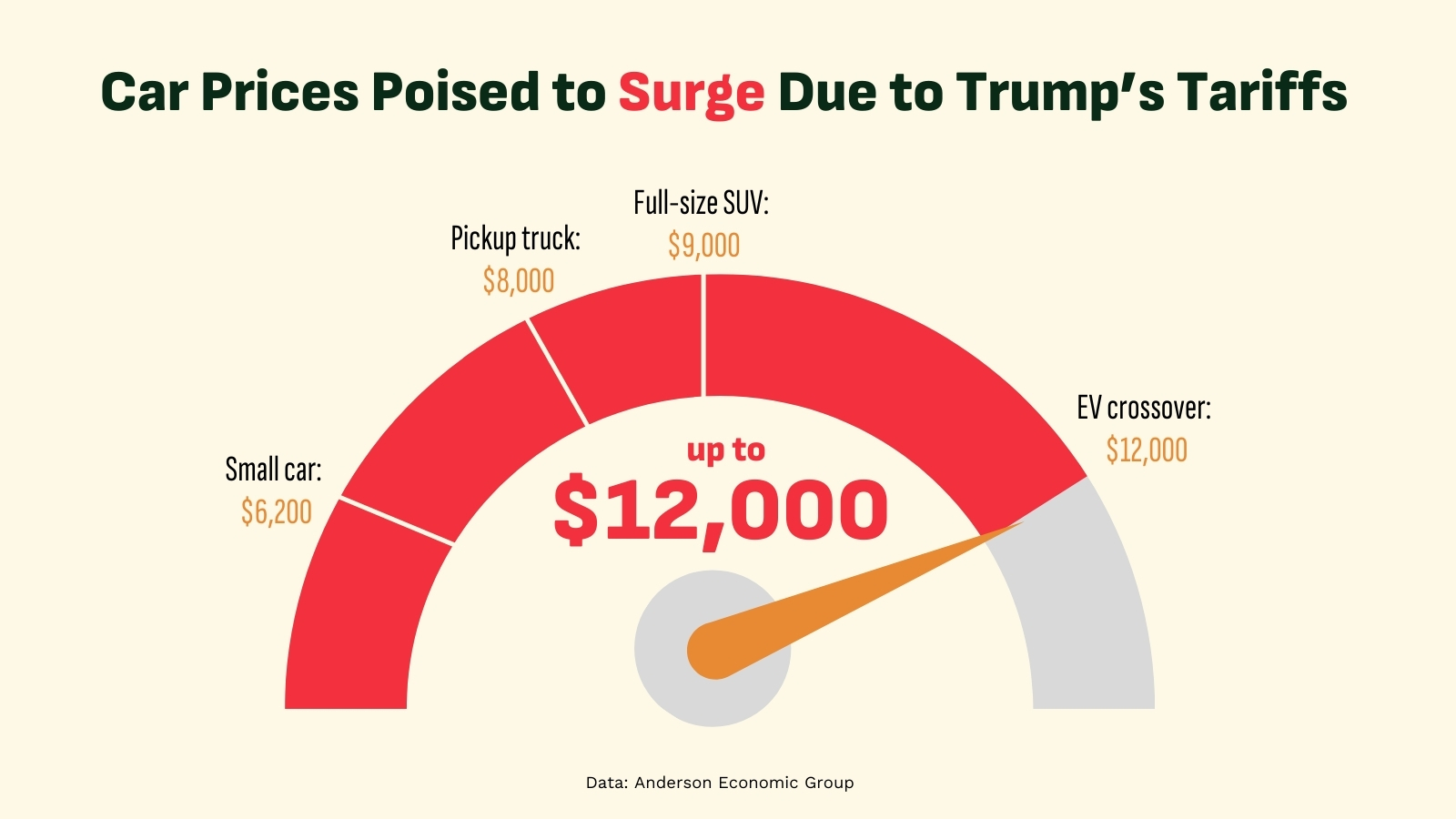
Trump’s tariffs on steel, aluminum, and auto parts will raise production costs, making all vehicles, including EVs, more expensive. These tariffs don’t protect American workers; they make it harder to build and buy affordable American-made EVs, further straining an already fragile economy.
Experts predict vehicle prices could rise by $12,000 under these tariffs. Instead of strengthening the U.S. EV industry and lowering costs for consumers, Trump’s trade wars and erratic tariff policies undermine American leadership in the global EV market. These tariffs aren’t a surefire way to encourage domestic production, and not in the way bipartisan federal investments have in recent years. Instead, they hurt manufacturers, auto workers, and families by driving up EV costs and forcing families to pay more at the pump.
Killing jobs and undermining U.S. manufacturing
Federal EV purchase and manufacturing tax credits have been a game-changer for the American auto industry and drivers. These credits and other federal support like business loans and grant programs have lowered costs for consumers, strengthened domestic supply chains, and created hundreds of thousands of good-paying union jobs.
But Trump has repeatedly pushed Congress to repeal these investments. In doing this, he’s directly threatening the recent resurgence in American manufacturing, already resulting in project cancellations and loud criticism from Republican decisionmakers. This hits workers hardest in states like Michigan, Ohio, Kentucky, and Georgia (key parts of America’s growing “battery belt”), where factories are expanding, new jobs are emerging, and long-overdue federal support is finally reaching places with historic disinvestment.
Without these credits, American automakers will lose their competitive edge globally, and America’s manufacturing comeback will inevitably falter. But it’s not just the manufacturers and workers who suffer from repealing tax credits. Sales of EVs have been steadily rising over the past few years thanks in part to a $7,500 tax credit—one that Trump has been threatening to repeal since the campaign trail. This caused so much fear that consumers preemptively rushed to buy EVs at the end of 2024, leading to an even larger bump in sales. It’s clear: Americans want EVs, and everyone benefits when they are made more accessible and affordable.
Not to mention, these standards are one of the most straightforward, easiest, and effective ways to cut climate pollution, with transportation being the most polluting sector in our country. In a blatant attack on states’ rights, the Trump administration is working to strip California’s ability to implement stronger fuel efficiency standards—despite the state’s long history of leading the nation in clean air and environmental protection.
Eliminating cost-saving efficiency standards will harm the health of communities across the country and create chaos for automakers, who will have to navigate inconsistent regulations that put American industry out of step with global competitors. This uncertainty hampers innovation and jeopardizes American leadership, while other countries continue to produce cleaner, more efficient vehicles.
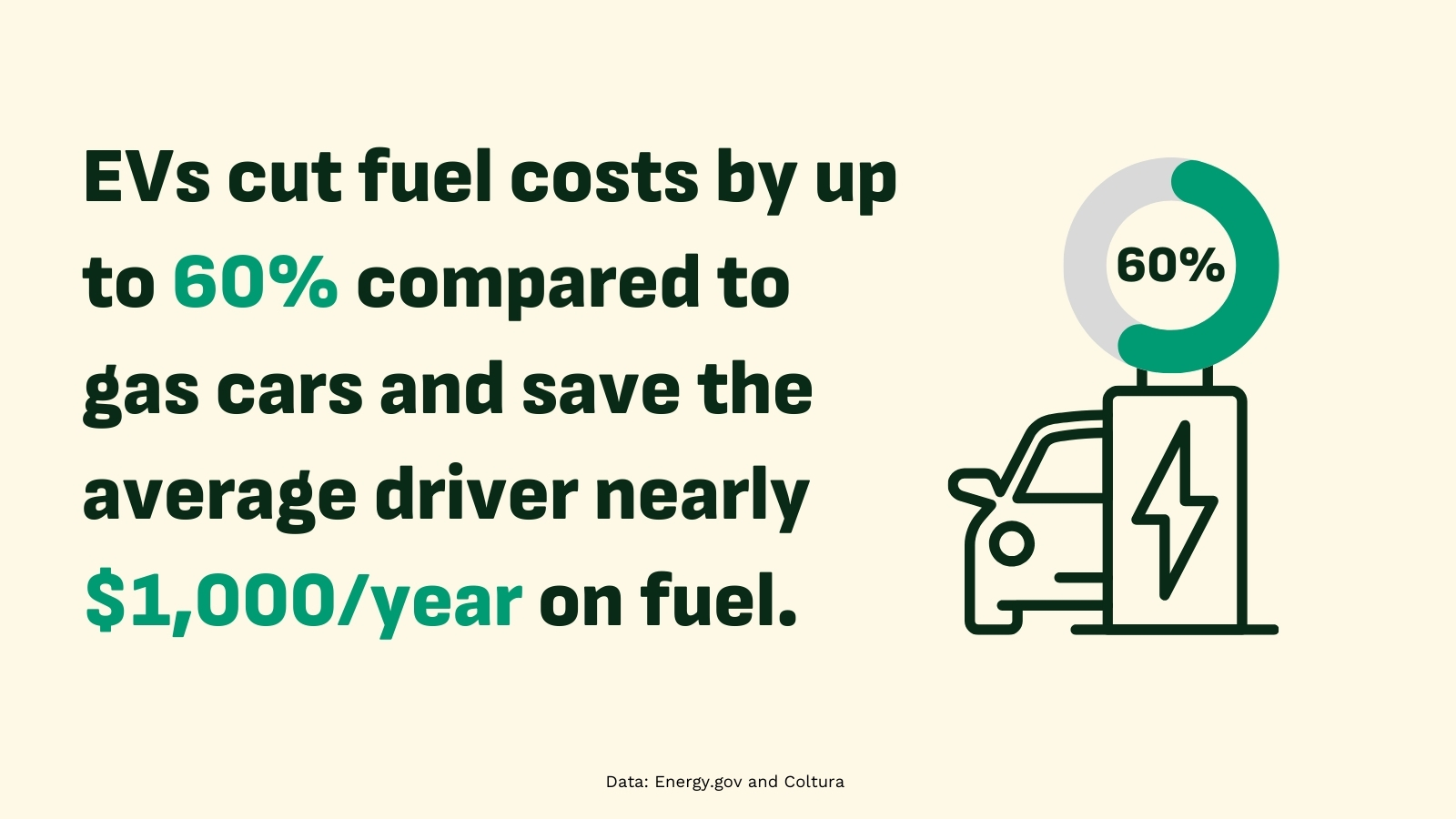
One of the biggest ironies of Trump’s war on EVs is that it will leave Americans even more vulnerable to volatile gas prices despite his promise to lower costs for everyday Americans. Gas prices are already rising, squeezing household budgets. EVs offer consumers a way to dramatically cut fuel costs by up to 60 percent compared to gas vehicles. The average mileage EV driver in the US will save about $1,000 per year on fuel alone. Fewer EVs on the road mean continued dependence on expensive gasoline and volatile oil markets, which directly contradicts Trump’s supposed concern about inflation and cost of living.
A Turning Point in the Fight for EVs
We’re well on our way to an auto industry with a strong electric vehicle presence, whether Trump likes it or not. But instead of positioning our country to lead in this current era, he’s wasting time waging trade wars, fighting with domestic industry leaders, and undermining critical and popular EV investments. In doing so, he’s forcing American workers and the auto industry to clean up the mess—all while driving up costs for everyday Americans.
Trump’s actions put a dagger in the heart of a legacy American industry and will leave our country behind in the exhaust fumes as the world races toward cleaner, more affordable vehicles. The question is now: Will Congress, especially the Republicans whose districts are benefitting the most from the EV economic boom, stand up to him?