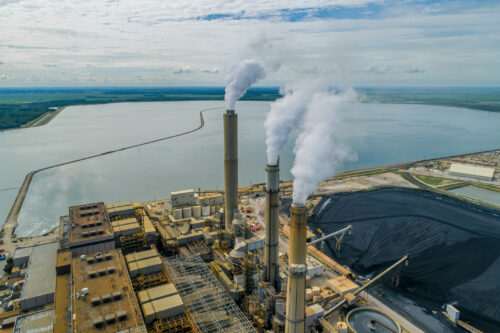
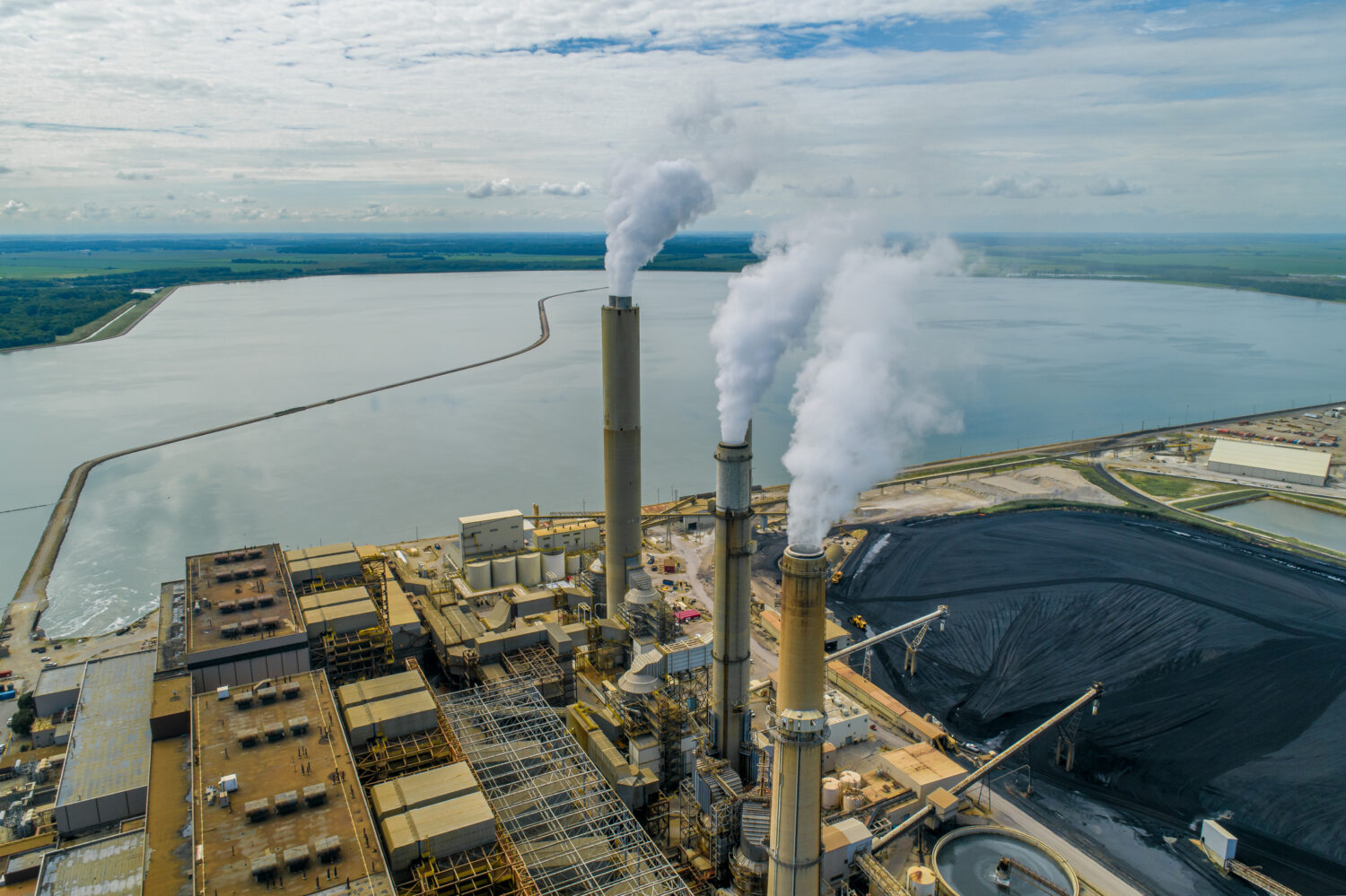
Trump’s EPA just finalized new rules overturning standards for coal and gas plants that will increase carbon pollution by 1.4 billion metric tons, or the equivalent of driving 326 million gas-powered cars for a year. Under Trump’s new rules, fossil fuel power plants could freely pollute the climate without any common-sense limits. But the fight isn’t over. Just because Trump and his fossil fuel donors want to ignore climate science and economics doesn’t mean that they can.
Despite their best efforts, the EPA is still subject to the Clean Air Act and legal requirements to limit air pollutants that endanger human health and welfare. While Trump’s EPA has tried to overturn the endangerment finding requiring limits on climate pollution, that anti-science effort is being challenged in court. This most recent rule overturning Biden-era power plant standards similarly rests on spurious arguments that carbon pollution controls for power plants are not “adequately demonstrated.” This latest effort rests on shaky legal ground and will be challenged in court too.
What Trump’s EPA rule says
Trump’s EPA just finalized a new rule that overturns 2024 EPA standards on carbon pollution from coal and gas power plants. These rules, under Section 111 of the Clean Air Act, required existing coal plants and new gas plants to reduce their pollution in line with best-available control technologies. For baseload power plants, that meant a 90% reduction in carbon pollution by 2032—in line with reductions achievable through installing carbon capture and sequestration, or CCS.
In overturning the rule, Trump’s EPA is claiming that CCS is not “adequately demonstrated,” the legal standard under the Clean Air Act, despite fossil fuel companies and Republican politicians claiming for decades that CCS was ready for primetime. These are control technologies that have been operational for decades.
What overturning the rule means
In short, billions of dollars in health harms and climate damages. When the original 111 rules were finalized in 2024, EPA economists estimated the health and climate benefits of these standards were 20 times their cost. Repealing them means eliminating $270 billion in climate benefits and $120 billion in public health benefits, just to save the fossil fuel industry $20 billion. The cost to the public, compared to the minuscule savings that would go entirely to power plant operators who would no longer have to cut pollution, is breathtaking.
Coal and gas plants are one of the largest drivers of the climate crisis, producing one-quarter of all climate pollution in the U.S. Eliminating these common-sense rules will increase carbon pollution by 1.4 billion tons.
That number doesn’t even account for the other air pollutants these rules would also reduce, making it easier to breathe for millions of Americans subject to coal and gas pollution. Repeal means dirtier air and dirtier water for everyone.
With utilities and Big Tech planning over 100 gigawatts of new gas plants around the country to power the data center boom, these fossil plants will now face no federal limits on their climate pollution. If built as planned, these gas plants would produce as much carbon pollution each year as half of all passenger vehicles in the U.S.
This repeal is a climate bomb.
See you in court
That is, if Trump’s repeal effort holds up.
Back in February, Trump’s EPA finalized a rule that would rescind the “endangerment finding,” the landmark 2009 science-backed determination that climate pollution endangers public health and the environment and is therefore subject to the Clean Air Act. By attempting to proudly ignore the global scientific consensus that climate pollution is fueling deadly floods, wildfires, and other climate catastrophes, Trump’s EPA showed that it was operating entirely divorced from reality. That repeal effort is now the subject of two lawsuits, one from health and environmental groups and another from a coalition of 24 state attorneys general.
Trump’s EPA didn’t stop there. It also proposed a supplemental rule that would strip the agency of its own authority to set carbon pollution standards from power plants altogether, claiming that such pollution does not endanger public health or welfare, despite near-universal scientific consensus to the contrary. If finalized, this would prevent future administrations from setting carbon pollution standards for power plants again.
This repeal is a climate bomb, and Trump is trying to make it permanent.
This latest effort to ignore reality will similarly have its day in court. When the first Trump Administration tried to repeal Obama-era power plant carbon standards, that effort was held up in court long enough for the Biden Administration to reverse course. It turns out that ignoring mountains of climate science, common-sense economics, and the plain language of the Clean Air Act is hard to defend before a judge.
The future of power plant pollution standards
Separate from the legal challenge to this specific repeal effort, climate standards for power plants will remain an essential climate policy. Coal and gas plants already contribute one-quarter of all U.S. climate pollution, and any commonsense climate policy must limit that pollution.
A future Administration should reverse Trump’s rescission of the endangerment finding on day one, if a court has not already done so, and immediately take steps to restore pollution limits on fossil fuel plants. While standards are not a replacement for clean energy legislation, they are a vital piece of the puzzle.
The Clean Air Act remains the strongest tool available to drive down pollution from the existing fossil fleet and to limit carbon pollution from the dozens of proposed gas plants around the country. We have not seen the last of power plant pollution standards.